
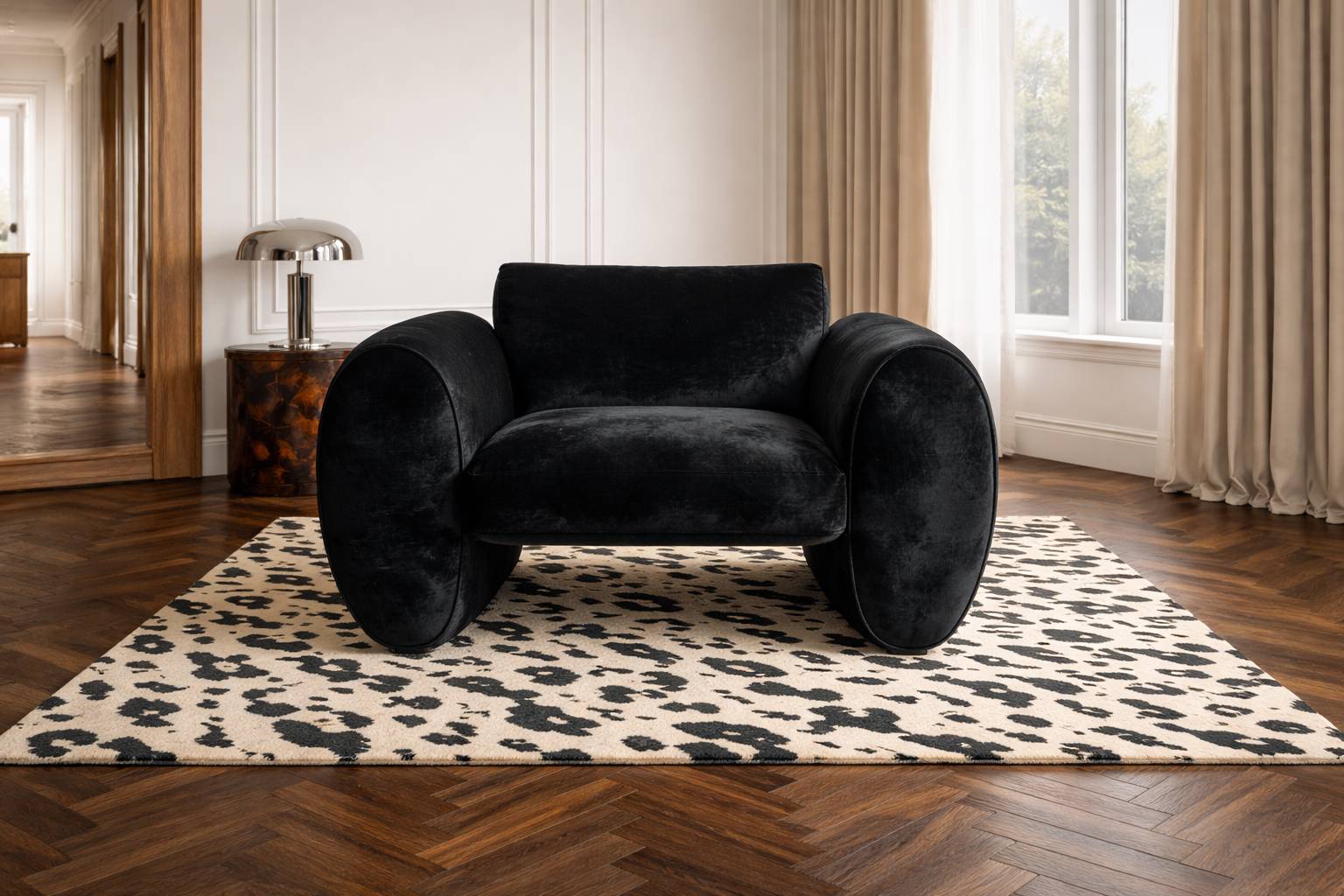
FF&E is the furniture, fixtures and equipment that arrive after the base build: seating, casegoods, lighting, rugs, soft goods, mirrors, art and accessories. You manage it as a live set of controlled documents, the FF&E schedule keyed to room and item code, the specification sheets, the sample and submittal approval log, the procurement and PO tracker, and the snag list, driving each line from specified to approved to procured to installed against the site programme. Made-to-order upholstery sits on a real production calendar before freight, so it enters production early or it slips the handover.
It is the part of the project most likely to slip, because it depends on decisions taken late, on production calendars you do not control, and on approvals that stack up. The discipline is not choosing beautiful pieces. It is running a controlled set of documents so that every line moves from specified to approved to procured to installed without a stray version reaching site.
The documents an FF&E manager actually lives in.
Five artifacts carry the scope, and they have to agree with each other at all times.
- The FF&E schedule (matrix). One row per item, keyed to a room code and an item code (for example L-201 / SO-14), with quantity, budget line, production calendar, status and location. This is the register everything else references.
- The specification sheet. One per item: dimensions, frame, fill, finish, fabric performance thresholds, the fire performance required for the setting, fixing method, and the drawing reference. This is the buildable definition of the piece.
- The sample and submittal approval log. Dated record of every physical sample and technical submittal issued, reviewed, approved, revised or rejected, with the approving party. Nothing goes into production off a spec sheet alone; it goes into production off an approved submittal.
- The procurement and PO tracker. Purchase order number, supplier, payment dates, the agreed production calendar, delivery terms, and the expected ready-to-ship and on-site dates.
- The snag list. Item-by-item defects logged at delivery and install, tied back to the same room and item codes.
Here is why the keying matters. Say the client swaps the fabric on one sofa line late in design. That one change has to propagate: the specification sheet is revised and re-issued; a new sample and technical submittal go into the approval log and reset that line to pending; once approved, the PO is varied and the maker re-confirms the production calendar, which may push the ready-to-ship date; the FF&E schedule updates the status and the install date for that room; and the install sequence downstream of it moves too. If those five documents are not keyed to the same code, the change lands in one of them and not the others, and the wrong version reaches site.

Off-the-shelf Versus Made to Order, in Practical Terms.
Off-the-shelf gives you a firm, short production calendar and a return path, but forces the space to accept stock dimensions and finishes. Made to order lets you set the scale, the frame, the fill and the fabric to the drawing, which matters when a standard sofa reads wrong in a bespoke room, but it puts the timeline on the maker's programme.
As a planning discipline, made-to-order upholstery carries a real production window before freight, and casegoods and lighting can run longer; treat each as a calendar to confirm per piece with the maker, not a promise. The practical rule is that anything made to order has to be specified and approved early enough that its production window closes before your install date, or it slips the handover.
Fabric and Material Thresholds You Can Specify Against.
For an interior that has to survive real occupancy, the fabric spec has to carry numbers, not adjectives. Written as pass thresholds in the specification, a submitted fabric either clears them or it does not:
- Abrasion: hold a hospitality-grade upholstery fabric to a documented abrasion threshold on the recognised industry test, with heavy-use and contract areas pushed higher.
- Light-fastness: set a documented light-fastness expectation on the standard scale so the fabric holds up against Gulf sun through glazing.
- Pilling and cleanability: set a pilling expectation and a cleanability expectation on the same sheet.
Fire performance is a requirement, not a preference. What applies is the fire performance to the relevant standard for the setting: the base-build fire strategy and the operator usually dictate the level, and marine or yacht-adjacent work carries its own requirement, so confirm the applicable contract requirement before you specify.
On the health side, be precise about what a safe, non-toxic claim means: it rests on safe, non-toxic materials, with OEKO-TEX cited, rather than the word alone, and recorded against the item line.
Budget, Freight and Who Installs.
Three scope mechanics decide whether FF&E lands on programme and on budget.
- Allowance and value engineering. Hold an FF&E allowance per area, price against it, and when a line comes in over, value-engineer the piece (frame, fabric, size) rather than quietly deleting scope, and carry a sensible contingency for approvals and breakage.
- Imported pieces. Agree the delivery terms so it is unambiguous who owns freight, insurance, UAE customs clearance and duty, because that boundary decides both cost and who chases a delayed shipment.
- Who installs, most often underestimated. Decide early whether a dedicated FF&E installer handles delivery, placement and final dress, or whether the main contractor does, because FF&E lands last and needs protected access, secured storage for early deliveries, and a genuinely clean-site window sequenced after wet trades and final finishes.
Confirm real availability against the maker's production calendar before you promise the client a date.
A studio that actually produces is where made-to-order scope becomes governable rather than a freight gamble. Saint Objets is a French furniture studio in Dubai, designed in Paris and made in the Emirates, working to order in safe, non-toxic materials and high-performance, hospitality-grade fabrics. Because production sits in the Emirates, specification conversations, samples and finish queries move locally and are answered by the people who build the piece, which is what let the seating hit the drawing on hospitality projects and on an interior-architecture collaboration with NOYA. A considered, correctly specified interior simply lets and shows better, and the way you protect that outcome is the schedule and the submittal log, not the mood board. Saint Objets works by appointment as a studio, to a real production calendar with an install date agreed up front. For hospitality-scale scope, see our note on hospitality furniture in Dubai.
Frequently asked questions.
What is the difference between FF&E and fit-out or base-build scope?
Fit-out and base build cover what is fixed to the structure: partitions, ceilings, joinery, MEP, and floor and wall finishes. FF&E covers what arrives afterward and stays movable or loose: furniture, decorative and functional lighting, rugs, soft goods, mirrors, art and accessories. The line matters because it decides budget lines, procurement routes, the delivery terms on imported pieces, and whether the main contractor or a dedicated FF&E installer places the items.
What performance thresholds should hospitality-grade upholstery meet?
Hold contract upholstery to a documented abrasion threshold on the recognised industry test, with heavy-use areas pushed higher, and set a documented light-fastness expectation so colour holds against strong sun. Add a cleanability and pilling expectation, and specify the fire performance to the relevant standard for the setting, confirmed against the applicable contract requirement. Write each as a pass threshold on the specification sheet, and ask for OEKO-TEX certified fabric.
How long does made-to-order FF&E take, and when should specification start?
Made-to-order upholstery sits on a real production calendar before freight, with casegoods and lighting often longer, so confirm the calendar per piece with the maker. Begin FF&E specification at concept, alongside space planning, so long-lead and made-to-order pieces enter production in time, real dimensions are fixed against the drawings, and there is room to value-engineer without gutting the scheme late. Confirm real availability against the maker's production calendar, and account for freight and UAE customs clearance, before committing to an install date agreed up front with the client.